
by Nelson Serrano
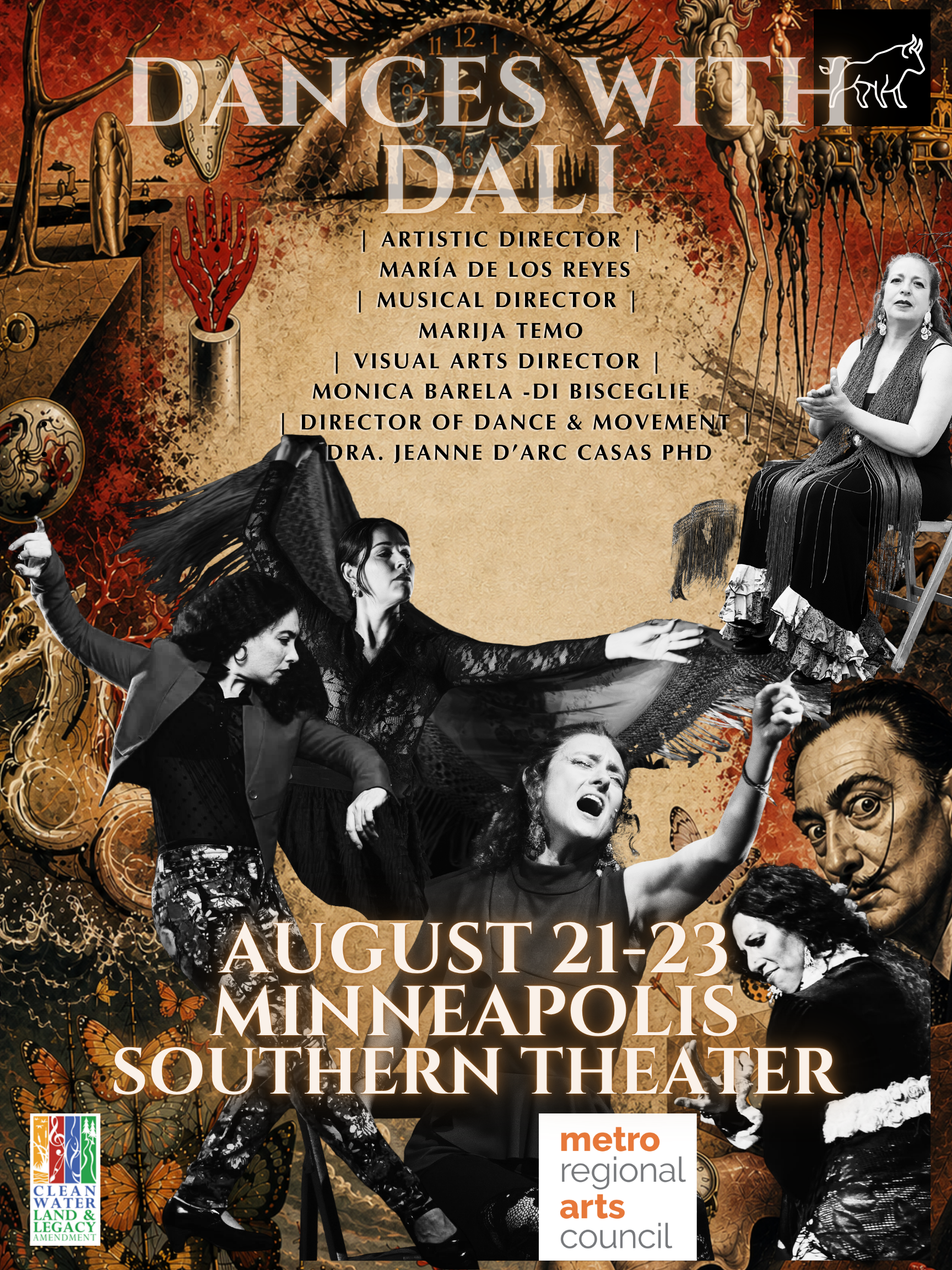
As the dog days of summer melt to a stop, and reddening leaves begin to whisper in the breeze, spinning down until they meet the ground, what better display of this in-between than the haunted and macabre world of flamenco and Salvador Dalí? Last week, I had the privilege of speaking with the creative team behind Dances with Dalí, a show premiering at the Southern Theater in Minneapolis. María de los Reyes, the creative mastermind and director behind the whole show, has recruited an immensely talented team, and I had the chance to interview them.
The Visual World
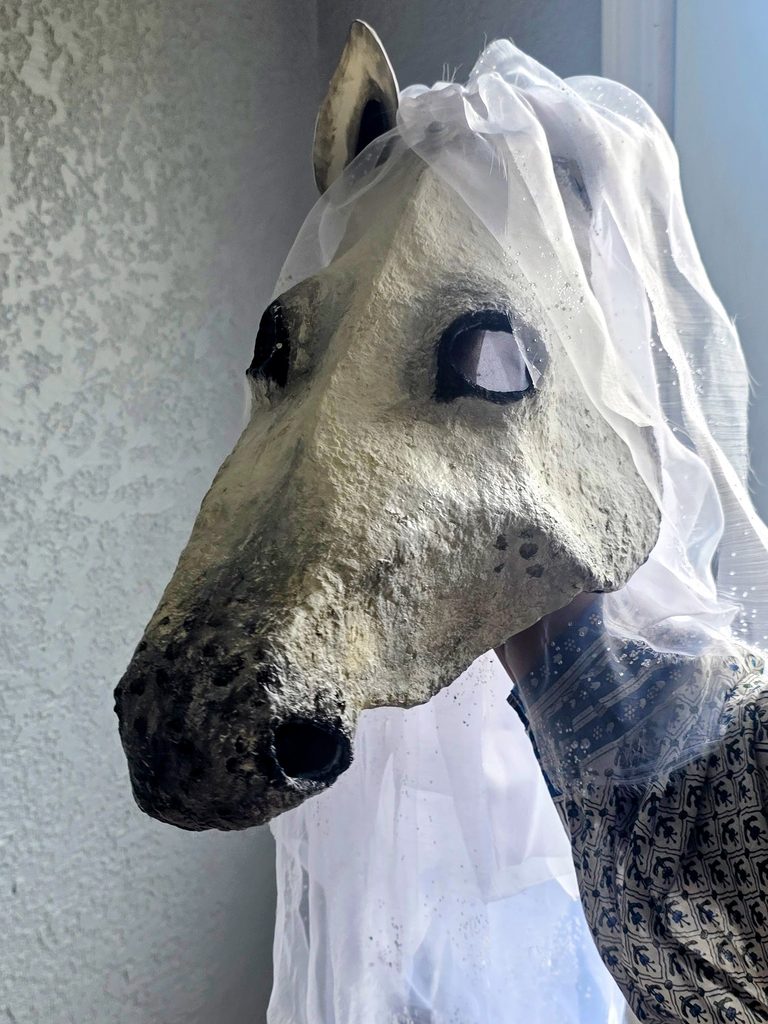
My first impressions came from Monica Barela-Di Bisceglie, M.A., the show’s Visual Arts Director. Before we’d settled onto the patio of her home studio, I caught a glimpse of veiled canvas, a fabric fire in the living room, and a metal hand still taking shape beside the staircase, half-finished ghosts encroaching into this typical Midwestern rental, and I knew I was in for a treat. Monica cut her teeth in the New Mexican film industry, doing props and set dress as part of the NM IATSE Local 480 union, but she’s spent the better part of the last decade teaching art to K-8 kids. This double life shows in her work. She scavenges the way a working teacher learns to scavenge, building figures out of everyday items and imbuing them with reverence for Dalí’s art, with a spin of her own. Intertwined with the subject matter are her own reminders of home: hojalata pieces, a New Mexican tinwork tradition born from cutting and shaping old cans and shipping containers.
She started conceptualizing her contribution to Dances with Dalí almost a year ago, with the intention of immersing the audience in Dalí’s inner-canvas worlds, rather than making them watch from a distance. In tandem with the dancing, the lucid-dream line between the stage, artworks, background and audience is meant to bleed in and out. The pieces are true to that intention. The veiled horse heads, ghostly and strange, took a week just for the silver wire skeleton to take shape, and another two weeks to shape and stiffen the fabric over it. Dancers will wear them for one section in mournful promenade. These pieces are my favorites too. She calls them “my little babies,” made back home in Albuquerque and mailed out to Minneapolis. Watching her talk through the horses, I found myself reaching for a word and landing, on the Brazilian idea of saudade, a bittersweet, aching nostalgia, twisted toward the uncanny. Monica agreed. “A lot of his work is like that,” she said. Dark, yes, but also strangely fun.
The Vision
The next day, I had a video call with the entire crew, now including María, Marija Temo, and Jeanne d’Arc Casas Panouze. María told me the whole thing started with a spiritual itch that would not leave her alone. She has danced flamenco for over two decades and been performing since she was five, and somewhere in that long apprenticeship she kept bumping into the same reference, production after production: Lorca, always Lorca. She wondered why nobody reached further; why flamenco, a form already famously visually loud, kept borrowing the same roster of creatives. She looked at Picasso; she looked at Goya and found him too morbid for what she wanted. She landed on Dalí, and fell into a rabbit hole: his ballets, not just in Spain but in Italy, his forgotten set designs, the archive at the Dalí Foundation. What began as an affection for a few paintings turned into a full proposal for the Southern Theater’s partnership program.
Flamenco X is only in its third season here. María has called Minnesota home for five years, dancing under Susana De Palma at Zorongo before establishing her own company as De Palma eased toward retirement. Grant funding allowed her to pull in not only American talent but also guest choreography from Sevilla by way of José Galván and José Moreno, two names María said give the show “a direct line to Spain.” Asked to describe the show in simple terms, she reached for “flamenco opera”: a full storyline, scenic staging, projections layered over dancers, puppets crossing the stage mid-number, a crew moving set pieces in the dark between scenes. “Well beyond your typical flamenco production,” she said. Technically brutal, and ambitious to match.
Los Gitanos and Cultural Competence
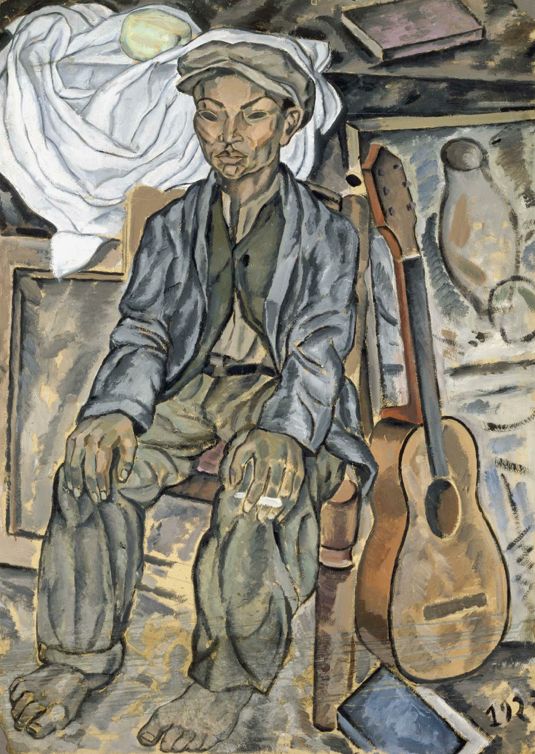
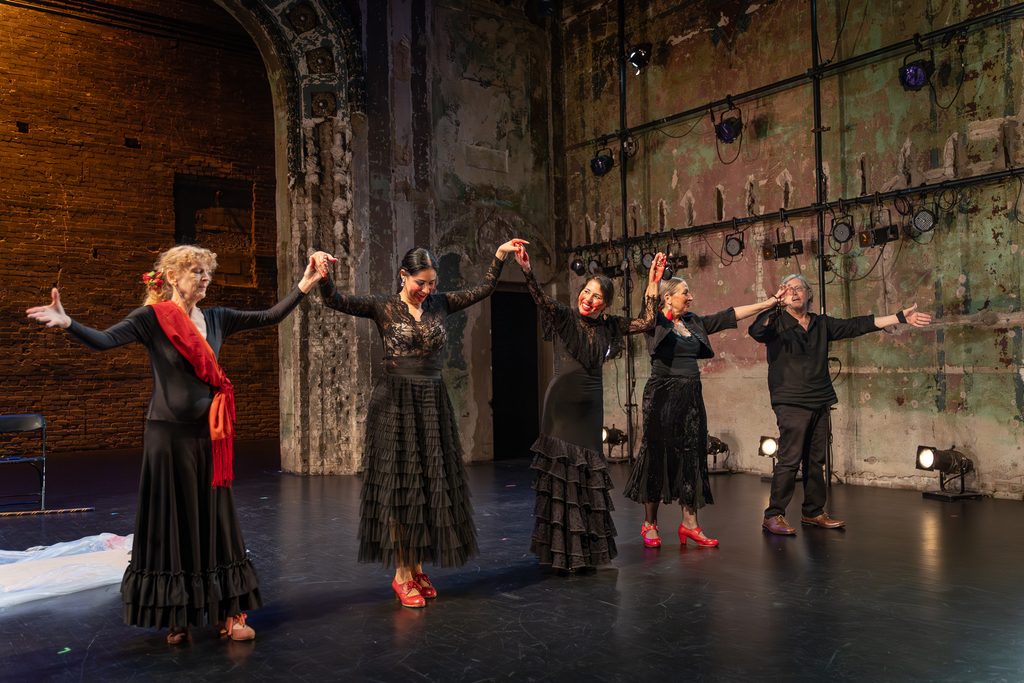
Flamenco belongs, first, to the Gitanos, the Roma communities who shaped the form over centuries out of Spain’s margins. That origin isn’t incidental to how María built this company. Five years into running a flamenco group in a city with no deep flamenco lineage of its own, she told me she’d watched the same gap in cultural grounding surface recurringly. María went looking for people who had authentically lived inside the tradition and performed with an understanding of historical and cultural context.
This is a non-negotiable prerequisite, which led to flying in José Galván and José Moreno from Sevilla, and bringing Jeanne d’Arc in from Madrid rather than casting the choreography locally from the start. María called it wanting “a direct line to Spain,” and she meant it literally: Galván lives in Sevilla, in what she calls the central heart of flamenco for the entire world, and every piece of choreography that comes back from him or from Moreno carries that lineage with it. Her own students, trained in Minneapolis over the past year, get to perform alongside artists who learned the form where it was born.
Jeanne d’Arc, who’d go on to trace flamenco’s history back through the transatlantic slave trade in our later conversation about Duende, put the nuances plainly when I asked who gets to claim this art form: it belongs to the Gitanos, she said, but also to anyone willing to “open the door and feel it, dance it, and respect it.” Respect, in the case of this production, comes in the form of a hiring decision, a casting choice, a refusal to let enthusiasm substitute for cultural grounding. It’s part of why the grant funding behind this production was written explicitly to incubate flamenco training in Minneapolis, to raise the level of the local scene rather than import and exploit a sacred spectacle.
–
The Music
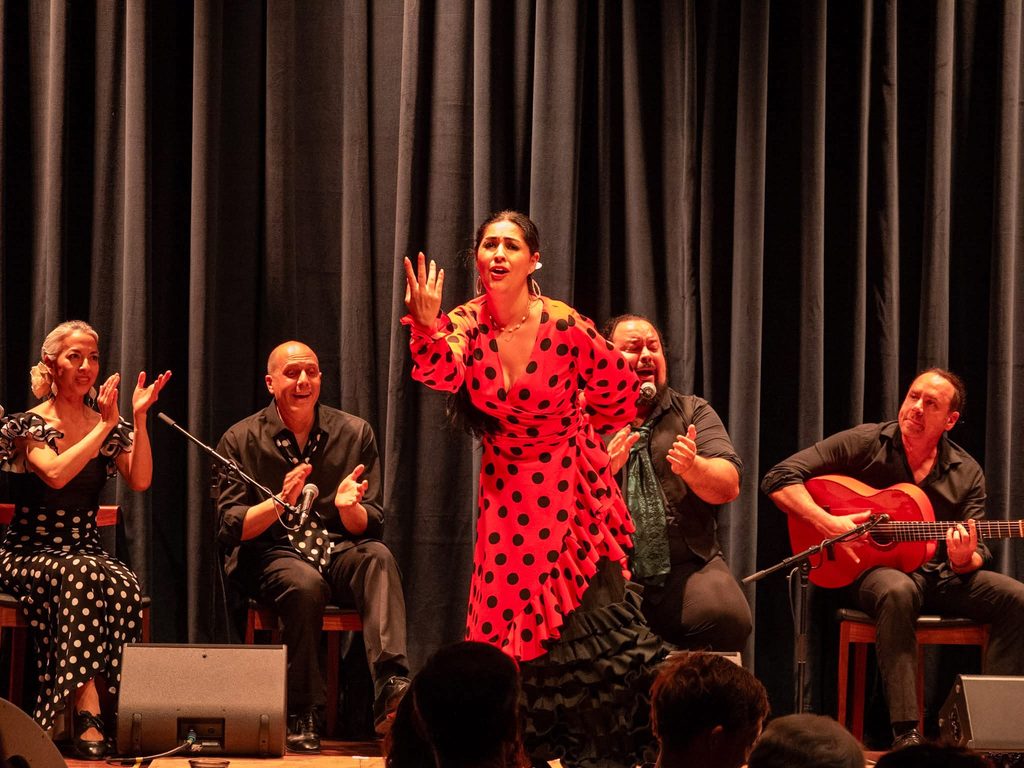
Marija Temo’s job is less about writing new music than about excavation. She lives inside the guitarists’ existing repertoire, digging for melodic fragments that can carry the weight of a painting, then arranging “the structure”: the order the numbers fall in such a way that one piece bleeds into the next. She’s coaching three local guitarists while braiding in a guest singer from Spain alongside her own voice, a doubling that’s rare in a flamenco production this size. “It’s not just the piece,” she told me. “I have to figure out how it balances musically from beginning to end.” Somewhere in the margins of all that, she composed a short original passage for a violinist joining the ensemble late, a new color, in her words, set against a traditional palo so the newcomer would have somewhere solid to land.
The Dance
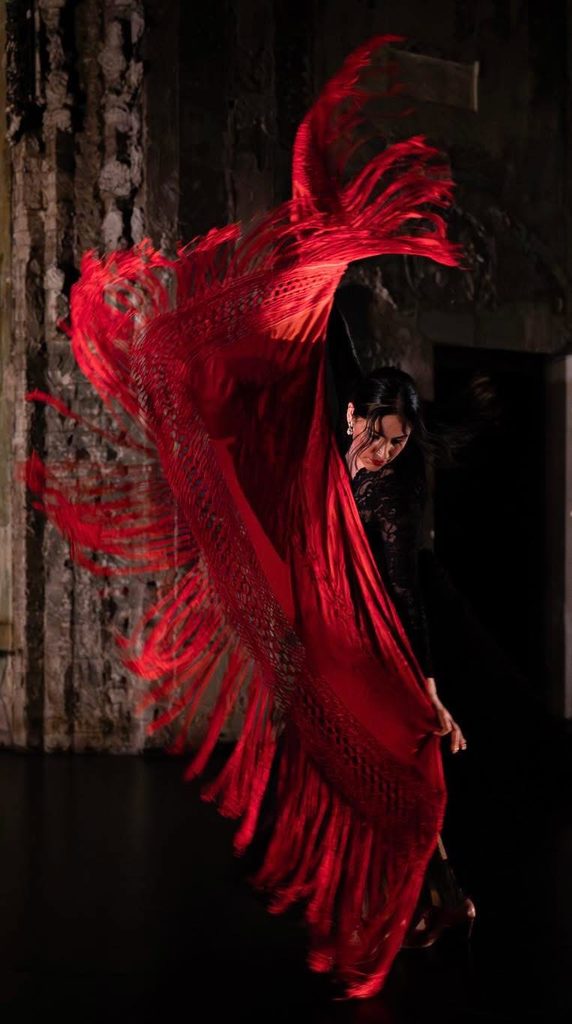
Jeanne d’Arc has been coaching the dancers daily from Madrid through these last weeks of rehearsal, and she described her choreography to me as a negotiation between two languages that don’t always want to speak to each other. Traditional flamenco runs on codified structure, the palos, each with its own rhythm and rules. You just say the name, alegrías, and the room already knows the shape of it before you move. In Dances with Dalí, the company still utilizes the established vocabulary: fandangos, bulerías, seguirillas, guajiras, tarantos, tientos, tangos, and then diverges from tradition. Jeanne d’Arc, who trained in contemporary dance and improvisation long before flamenco claimed the rest of her, described stepping outside the códigos entirely in places, letting her body answer the music in what she called “another key,” pulling straight from Dalí’s canvases instead of from a palo’s inherited shape. “We’re trying to bring that into the dance and the structure of the dances,” she said, “because at the end, it’s a very conceptual and surreal world.”
Duende
When I sat with Monica in her patio, I asked about her process, and the conversation eventually landed on what she called “the zone,” that point where she decided to pour everything into a piece and stopped noticing anything else. I’d come across the idea of Duende back in college, tied uniquely, as far as I understood it, to flamenco, and the second Monica described the zone, the connection was immediate. So I put it to the whole team: what does Duende actually mean to you?
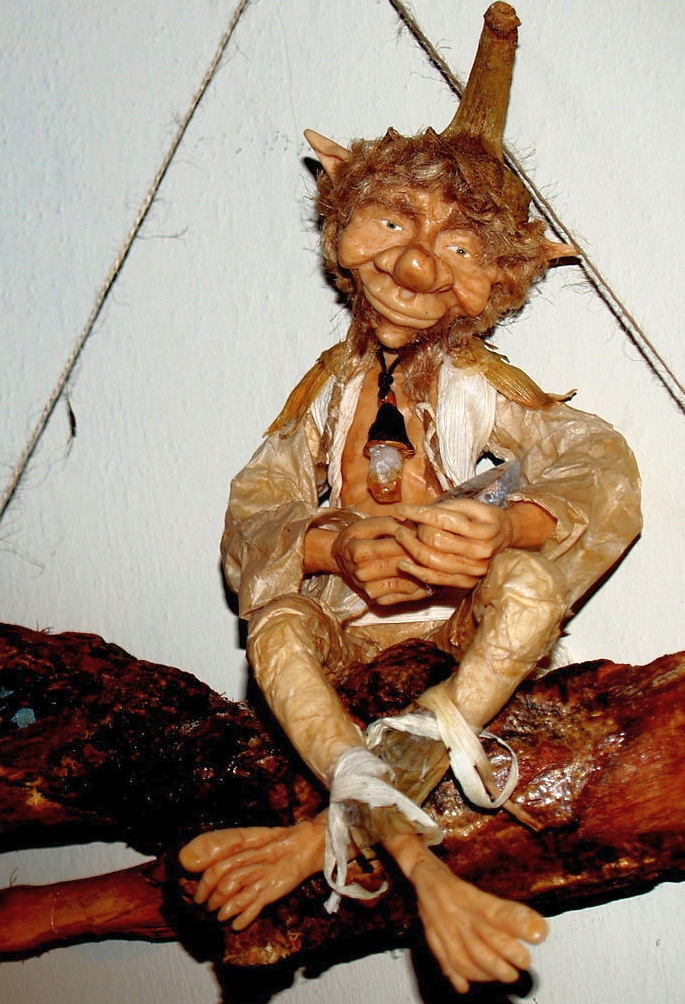
María went first, and she didn’t reach for anything grand to explain it. In Spain, she said, people talk about Duende almost playfully, a small mischievous thing, somewhere between a goblin and a dwarf, something that pokes at you when a step goes sideways. But underneath the joke sits something she takes completely seriously: a state of being so consumed by a moment on stage that the consumption itself becomes visible to everyone watching it happen. She’s seen her own students break into tears mid-performance, not from nerves but from whatever had taken hold of them right then. “In my humble opinion,” she said, and almost immediately turned the question outward, wanting the others to weigh in too.
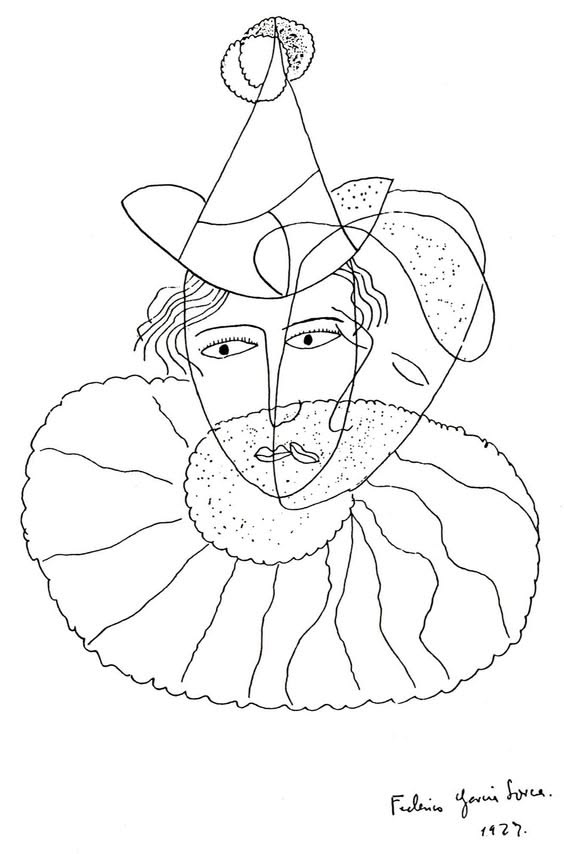
Jeanne d’Arc took it back to the root. The concept, she told me, was first pinned down by Federico García Lorca, in a lecture he delivered in Argentina in the 1920s.
Lorca’s Duende is unforgiving: it does not arrive unless it can see the possibility of death.
A moment of recognition. A moment of catharsis, the way the Greeks meant the word. Then she pulled the thread further back than Spain will admit to. Flamenco, she reminded me, came from the Roma, yes, but it also came from the Americas, carried across on the transatlantic slave trade through the 16th to the 19th centuries. The twelve-count rhythms threaded through flamenco share blood with African rhythms that crossed the ocean and came home again through Spain; tangos, she said, trace straight back to the Bantu word itself. For Jeanne d’Arc, Duende isn’t a Spanish inheritance so much as a human one, available to anyone willing to open their chest and let it in. Solea, she pointed out, comes from soledad, loneliness, and everyone listening already knows exactly what that word costs to carry.
Marija went last and reached sideways instead, toward Alyssa Liu’s gold-medal skate, toward a World Cup striker timing a shot so precisely that an entire stadium feels it land in the same instant. Duende, in her telling, is less a Spanish inheritance than a universal collision, timing and feeling and expression converging into something that couldn’t have happened any other way. Then she told me about a blues harmonica player she once shared a stage with, jazz and blues and flamenco colliding in one project, and how his playing cut straight to something in her she wasn’t guarding, and she started crying without meaning to. Her own approach, she said, is to serve the palo rather than perform it, give everything the form asks for, and wait to see whether the dancer or singer across from her connects with what she’s offering. “We’re trying to connect together to create something beautiful,” she told me, “and I hope we have many of those [Duende] moments in this production.”
–
What They’re Listening To
By the time I got around to asking about music, the room had already given me more than I came in expecting, so I asked something smaller. What are you listening to while you build this? And, because I couldn’t resist, if the world ended tomorrow and you only got three artists for the rest of your life, who would they be? María didn’t hesitate on the first half. She’s had Enrique Morente on repeat, an artist out of Granada with a rock-flamenco record she’s been mining for the show. “Let’s get weird,” she said, and laughed at herself saying it. The second question stumped her completely, however.
Jeanne d’Arc didn’t flinch at either. Miles Davis, for the rest of her life, no contest. Then bomba, straight out of Puerto Rico, her own inheritance talking before she’d even finished the sentence. But her real answer went somewhere quieter: lately her inspiration hasn’t been music at all, it’s been Dalí himself, hours spent reading into his life and his work, and long conversations with Monica about her process, feeding the same images back into her own choreography until they came out the other side as movement.
Marija took the longest to answer and gave, I think, the most honest one. Her real source has been the paintings themselves, not music at all. She grew up classically trained, buried in orchestral and choral work and decades of pre-1960s flamenco, and for most of her life she needed sound playing constantly. But not anymore. Now she needs the silence itself, and whatever climbs out of it. “I don’t want to limit myself to three,” she told me. “There’s too much I haven’t experienced yet.”
A Note on Dalí
It’s worth saying plainly, before the curtain goes up: Dalí’s history does not shy away from controversy. He was expelled from the Surrealist movement in 1934 for what André Breton’s tribunal called glorification of Hitlerian fascism, and he remained a public supporter of Franco through the dictatorship. What Flamenco X has built draws on his visual imagination, not his politics. The distinction is worth holding onto walking into the Southern Theater: separate the art from the artist, and let the work stand on its own.
Dances with Dalí — A Surreal Flamenco Experience
The Southern Theater, 1420 S. Washington Ave., Minneapolis
| Friday, Aug 21 | 7:00 PM |
| Saturday, Aug 22 | 7:00 PM |
| Sunday, Aug 23 | 5:00 PM |
.
.
.
.
.
.
Photo and image credits: Production photography courtesy of Flamenco X, unless otherwise noted. Duende figure photo by René Mayorga, CC BY-SA 2.0, via Wikimedia Commons. Salvador Dalí, “Gitano de Figueres” (1923), © Salvador Dalí, Fundació Gala-Salvador Dalí. Federico García Lorca sketch (1927).